
Shiatsu and Eastern Techniques


I can also combine different techniques, whenever appropriate, to create a treatment tailored to your individual needs.
Shiatsu
SHIATSU
In Japanese, Shiatsu means “finger pressure” (Shi = finger and Atsu = pressure).
Shiatsu works on specific points and meridians based on Traditional Chinese Medicine, with the aim of restoring the balanced flow of Ki, our life energy, throughout the body.
The treatment is received fully clothed, lying on the traditional Japanese floor mat called “futon”, or on a massage table.
Shiatsu can be a valuable support in addressing:
. Anxiety, restlessness and stress
. Physical and mental fatigue
. Muscle and joint pain, including lower back and neck pain
. Sleep difficulties
. Headaches and seasonal discomfort
. Digestive and intestinal issues
. Menstrual discomfort
. It may also support the body’s natural balance and overall well-being.
Shiatsu is a wellness practice, not a medical treatment. It does not replace medical care or any treatment that may be needed. However, it can be a valuable complement to your overall well-being.
Chi Nei Tsang
CHI NEI TSANG . Taoist abdominal treatment
Chi Nei Tsang is an ancient Taoist practice that focuses on the abdomen and internal organs.
According to Taoist tradition, the abdomen is where stress, tension and unprocessed emotions tend to accumulate. Through slow, deep movements combined with mindful breathing, the treatment aims to encourage relaxation, deepen body awareness and bring a greater sense of lightness to the abdominal area.
It can be enjoyed as a treatment on its own or combined with Shiatsu or Traditional Thai Massage.
Recommended session length: 90 minutes.
Anpuku
ANPUKU . Japanese abdominal treatment
Anpuku is an ancient Japanese treatment that focuses on restoring balance in the abdominal area.
According to Eastern traditions, physical and emotional imbalances can manifest in the abdomen as areas of tightness, hardness or unusual softness. Through gentle pressure and specific techniques, the treatment works on the abdominal area and internal organs, with the aim of encouraging the flow of energy, supporting digestive function and promoting deep physical and emotional relaxation.
Anpuku is particularly suited to those looking to relax and restore a sense of balance in the abdominal area, especially when stress tends to manifest itself in the stomach.
The treatment is performed fully clothed and can be enjoyed on its own or combined with Shiatsu.
Cupping
CUPPING
Cupping is an ancient practice with roots in many different cultures around the world, including Traditional Chinese Medicine and even Italian folk traditions.
Small cups are placed on the skin, creating suction. Depending on the needs and the desired effect, they can be left in place (static cupping) or moved across the skin (dynamic cupping).
The suction draws blood toward the surface of the skin, stimulating local circulation and bringing increased blood flow to the treated areas. Cupping can also help release fascial restrictions and muscle tension.
Dynamic cupping can additionally support fluid movement and lymphatic drainage, helping improve the appearance and overall tone of the skin.
Moxibustion
MOXIBUSTION
The term Moxa means “burning herb.”
It is made from the dried leaves of Artemisia vulgaris (mugwort) and is used to apply therapeutic warmth to the same points traditionally used in acupuncture.
Moxibustion has a wide range of traditional applications. It is commonly used to help ease joint pain, muscle tension and discomfort in the back, shoulders and neck. It is also used in traditional practices to support emotional well-being and address a variety of other concerns.
It is important to remember that Moxa is a complementary wellness practice, not a medical treatment, and does not replace medical care when needed.
Guasha
GUASHA
Gua Sha is a traditional technique rooted in Chinese medicine.
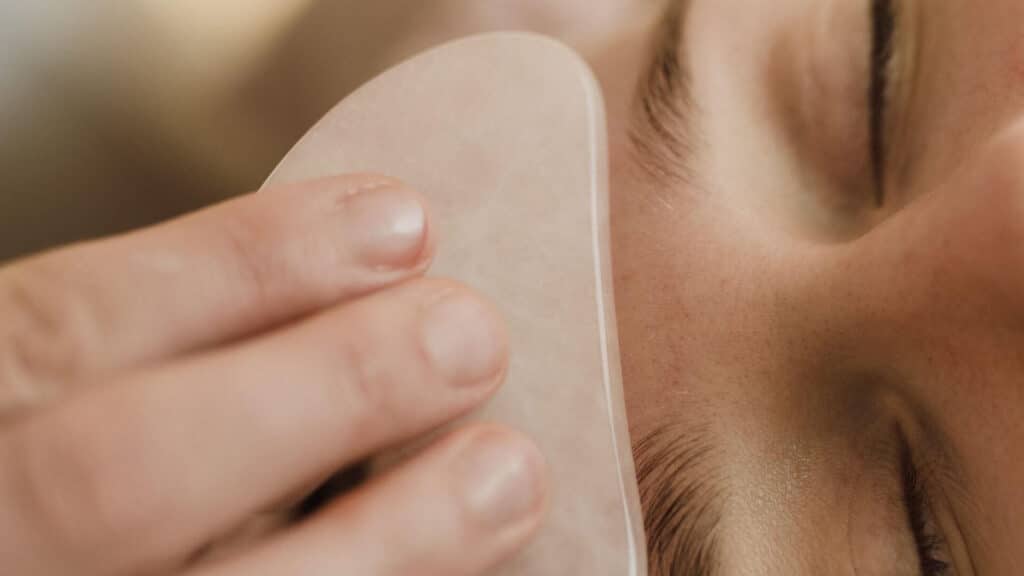
A smooth-edged tool, usually made of jade, but also available in stone, wood or, traditionally, horn, is used to apply firm strokes across the skin.This technique helps stimulate microcirculation and release tension in the surrounding tissues.Depending on individual needs, Gua Sha can be performed on either the face or the body.
The treatment may leave some temporary redness on the skin, which usually fades within a few days.